
The Evolution and Affect of Private Jet Flight In Fashionable Aviation
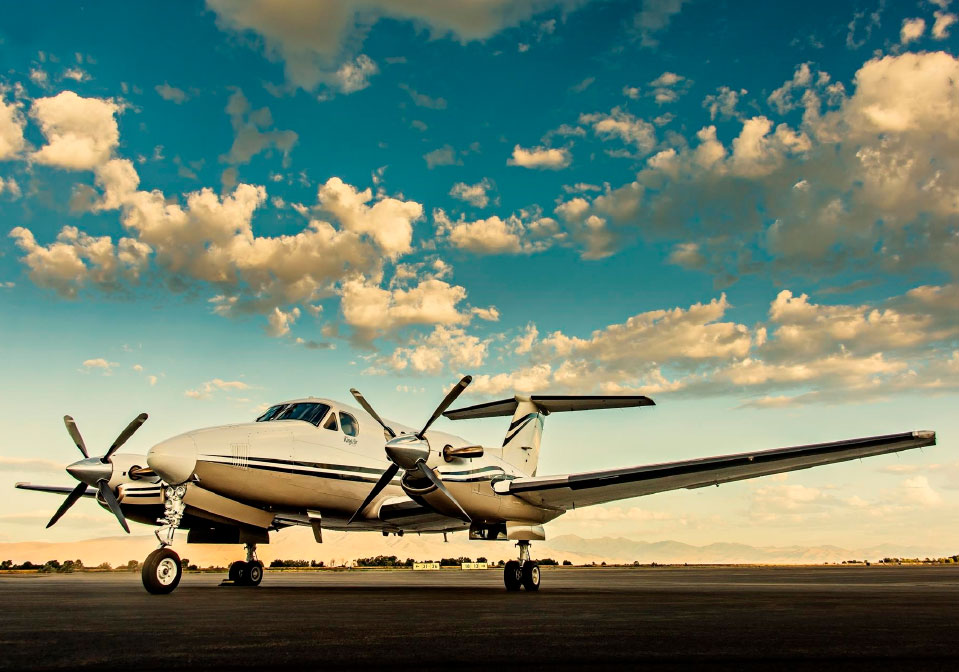
Private jet flight has remodeled the panorama of air journey, offering unparalleled convenience, flexibility, and luxurious to its customers. As a major segment of the aviation industry, private jets cater to a diverse clientele, from corporate executives and celebrities to affluent people seeking a more customized travel expertise. This text delves into the evolution of private jet flight, its technological developments, financial implications, environmental considerations, and the future of this exclusive mode of transportation.

Historic Context
The origins of private aviation could be traced back to the early 20th century, with the advent of the first industrial aircraft. Nevertheless, it wasn’t until the put up-World Warfare II period that private jet travel started to achieve traction. The introduction of the de Havilland Comet in 1949 marked a turning point, as it was the primary industrial jetliner to enter service. This innovation spurred interest in faster and more environment friendly air journey.
The 1960s saw the emergence of business jets, with the Learjet 23 turning into the primary true business jet to enter the market in 1964. This aircraft set the standard for Private Jet Charters private aviation, combining pace, range, and luxurious. Because the demand for private travel grew, manufacturers started to reply with quite a lot of models catering to totally different needs and budgets. The 1980s and nineteen nineties introduced additional developments in technology and design, resulting in the event of bigger, extra capable jets.
Technological Developments
Modern private jets are a marvel of engineering, equipped with state-of-the-art expertise that enhances safety, comfort, and efficiency. Improvements in supplies, avionics, and aerodynamics have led to vital enhancements in efficiency. For instance, the use of composite supplies has diminished weight while rising fuel effectivity.
The introduction of fly-by-wire know-how has revolutionized cockpit design, permitting for more exact control and decreasing pilot workload. Advanced navigation methods, including satellite-primarily based GPS, enable pilots to navigate more accurately and avoid congested airspace, leading to shorter flight instances.
Moreover, in-flight connectivity has develop into a hallmark of private jet travel. Passengers can now get pleasure from high-speed web access, video conferencing capabilities, and entertainment systems that rival these found in luxury properties. This connectivity has made private jets not just a means of transportation but additionally a cell workplace, permitting enterprise travelers to remain productive whereas in the air.
Financial Implications
The private jet business contributes significantly to the global economic system. In keeping with the National Enterprise Aviation Affiliation (NBAA), business aviation supports more than 1.1 million jobs and contributes over $one hundred fifty billion to the U.S. economy alone. The sector encompasses a wide range of companies, including aircraft manufacturing, maintenance, and flight operations.
Private jet possession and chartering have become increasingly accessible, with fractional ownership and jet card applications permitting individuals and companies to take pleasure in the advantages of private aviation with out the total monetary burden of possession. This democratization of private flight has expanded the market and elevated competition among service suppliers.
Furthermore, private jets play an important role in facilitating enterprise operations, enabling executives to travel directly to their locations without the delays related to business flights. This efficiency can result in important time financial savings, allowing companies to maximise productiveness and foster relationships with purchasers and companions.
Environmental Considerations
Despite some great benefits of private jet travel, it’s not without its criticisms, notably relating to its environmental influence. Private jets are sometimes perceived as symbols of excess, and their carbon footprint could be substantial. In accordance with the Worldwide Council on Clean Transportation, enterprise jets emit roughly 14 times more carbon dioxide per passenger mile than commercial flights.
In response to rising environmental issues, the private aviation industry is taking steps to mitigate its affect. Manufacturers are investing in more fuel-efficient aircraft and exploring alternative fuels, private jet charters comparable to sustainable aviation gas (SAF), which can significantly scale back greenhouse gasoline emissions. Additionally, some firms are implementing carbon offset applications, permitting passengers to spend money on environmental projects to counterbalance their flight emissions.
The adoption of electric and hybrid-electric propulsion techniques is also on the horizon, promising to revolutionize private aviation by offering a cleaner various to traditional jet gasoline. Whereas these applied sciences are still in the development stage, they hold the potential to drastically reduce the environmental footprint of private jet travel.
The way forward for Private Jet Flight
The way forward for private jet flight seems promising, with continued advancements in expertise and a rising emphasis on sustainability. The COVID-19 pandemic has accelerated changes in journey behaviors, with an elevated desire for private aviation as travelers search to minimize publicity to giant crowds. This shift has led to a surge in demand for private jet charters and fractional ownership applications.
Furthermore, the rise of city air mobility (UAM) and electric vertical takeoff and private jet charters touchdown (eVTOL) aircraft presents new opportunities for the private aviation sector. These improvements might redefine city transportation, offering quick and efficient access to congested metropolis centers and enhancing the overall travel expertise.
Because the industry evolves, it will likely be essential for stakeholders to address the challenges of sustainability and public perception. By embracing innovation and prioritizing environmental stewardship, the private jet industry can continue to thrive while meeting the demands of a altering world.
Conclusion
Private jet flight has come a good distance since its inception, evolving into a vital part of the modern aviation landscape. With its mixture of luxury, comfort, and effectivity, it caters to a diverse clientele and performs a crucial function in the worldwide economic system. As the trade faces growing scrutiny over its environmental influence, private jet charters the longer term will rely upon its means to innovate and adapt to changing societal expectations. By embracing new technologies and sustainable practices, private aviation can continue to soar to new heights while remaining aware of the wants of its customers and the planet.